Neighborhood Labs for Smarter Commutes

Today we dive into community hackathons focused on rethinking urban commuter accessories—grassroots gatherings where neighbors, designers, cyclists, students, and parents rapidly prototype better bags, lights, helmets, phone mounts, and modular organizers. Expect open-source collaboration, quick testing on sidewalks, and practical feedback gathered at bus stops and bike lanes. Whether you carry a laptop through rain or juggle groceries on a scooter, these gatherings turn everyday frustrations into elegant, safer, and more sustainable solutions that anyone can build, iterate, and proudly use.

Igniting Collaboration and Local Energy

When people arrive with scuffed panniers, rain-faded backpacks, and stories of missed buses, the room quickly becomes an electric studio of possibility. Volunteers map shared frustrations, pin sketches along the walls, and divide into mixed-skill crews. Students learn from retirees; cyclists learn from parents. By dinner, tables hold duct-taped mockups, sticky-note experiments, and spirited debates about reflectivity, modularity, and cost. What starts as complaints evolves into tangible prototypes and unexpected friendships fueled by curiosity and civic pride.

Skill-Matching That Actually Works

Instead of siloed groups, facilitators pair textile hobbyists with electronics tinkerers, and app developers with transit advocates who know schedules by heart. A simple color-coded badge system helps participants announce strengths and gaps. Conversations spark surprisingly fast: someone with embroidery skills stitches reflective accents while a firmware novice learns to flash a microcontroller. The result is momentum without ego, where learning becomes contagious and everyone sees how their experience can directly improve daily journeys.

Framing the Right Problems Early

Before anyone grabs a soldering iron, teams gather real pain points. Straps that bite shoulders, lights that die in cold weather, phone mounts that slip on potholes, and bags that swallow keys at the worst possible time. Facilitators push for measurable goals: lighter by two hundred grams, brighter by fifty lumens, cheaper by ten dollars, faster to access by five seconds. With evidence on the table, the group avoids vague aspirations and aims for specific, testable improvements people will actually feel tomorrow morning.

Rapid Ideation With Playful Constraints

Short sprints enforce creativity: design a universal light mount using only recycled plastics and two standard screws, or invent a strap system that adapts from backpack to messenger within ten seconds. Laughter accompanies impossible prompts, yet breakthroughs appear. A magnetic latch idea reduces fumbling at crosswalks. A fold-out rain flap doubles as a high-visibility panel. Playfulness lowers pressure, helping participants reach practical solutions that would never surface in a formal meeting or solitary studio session.

Researching Real Commutes in Real Weather
Hands-on research leaves the building. Teams shadow early-morning cyclists, ride buses during rush hour, and count how many times a courier reaches for a pocket. Rain reveals leaky seams; heat exposes ventilation flaws; dim streets challenge visibility assumptions. Surveys capture experiences across mobility styles and incomes, ensuring ideas serve more than a single niche. By nightfall, sticky notes become patterns, and sketches evolve into precise requirements grounded in lived realities rather than imagined convenience.

Electronics Without Intimidation

Mentors demystify small boards, showing how to program blink patterns, conserve battery life, and prevent weather ingress. Participants learn the beauty of strain relief, waterproof connectors, and heat-shrink finishes. A compact power bank becomes a universal module for lights, speakers, or emergency charging. By sharing wiring diagrams and code snippets openly, teams build trust as quickly as they build circuits. Confidence grows with every lit LED, making safety features feel achievable rather than specialized or distant.

Soft-Goods Craft That Feels Premium

Patternmaking sessions teach how to distribute weight, reinforce stress points, and shape pockets for fast, intuitive access. A zipper’s angle determines whether a glove gets stuck. Bartacks where straps meet panels prevent catastrophic failure. Ventilated back panels reduce sweat while reflective piping integrates elegantly along seams. By the end, novices can stitch a durable prototype that stands up to a week of commuting, and experts rediscover how small tailoring details dramatically improve comfort, speed, and confidence.

Safety, Comfort, and Inclusive Use

Load paths are mapped like rivers, shifting pressure away from shoulders toward steadier terrain along the torso and hips. Curved straps contour naturally, foam densities change by zone, and sternum clips prevent sway. Testers walk stairs, sprint for buses, and lean into turns. Comfort becomes quantifiable through hot-spot counts and time-to-fatigue. Ergonomics is not a luxury detail; it is the difference between leaving the gear at home and reaching for it every rushed morning.
Reflective hits are placed where motion draws attention—elbows, heels, bag flaps—while diffused LEDs avoid glare for riders and drivers. Turn signals map to natural gestures that commuters already make, translating intention into clear light language. Teams check visibility at dusk, rain, and under sodium lamps, measuring contrast and angles. When signaling feels intuitive and friendly, tension on crowded streets softens, allowing more humane interactions at intersections where politeness, clarity, and timing can literally save lives.
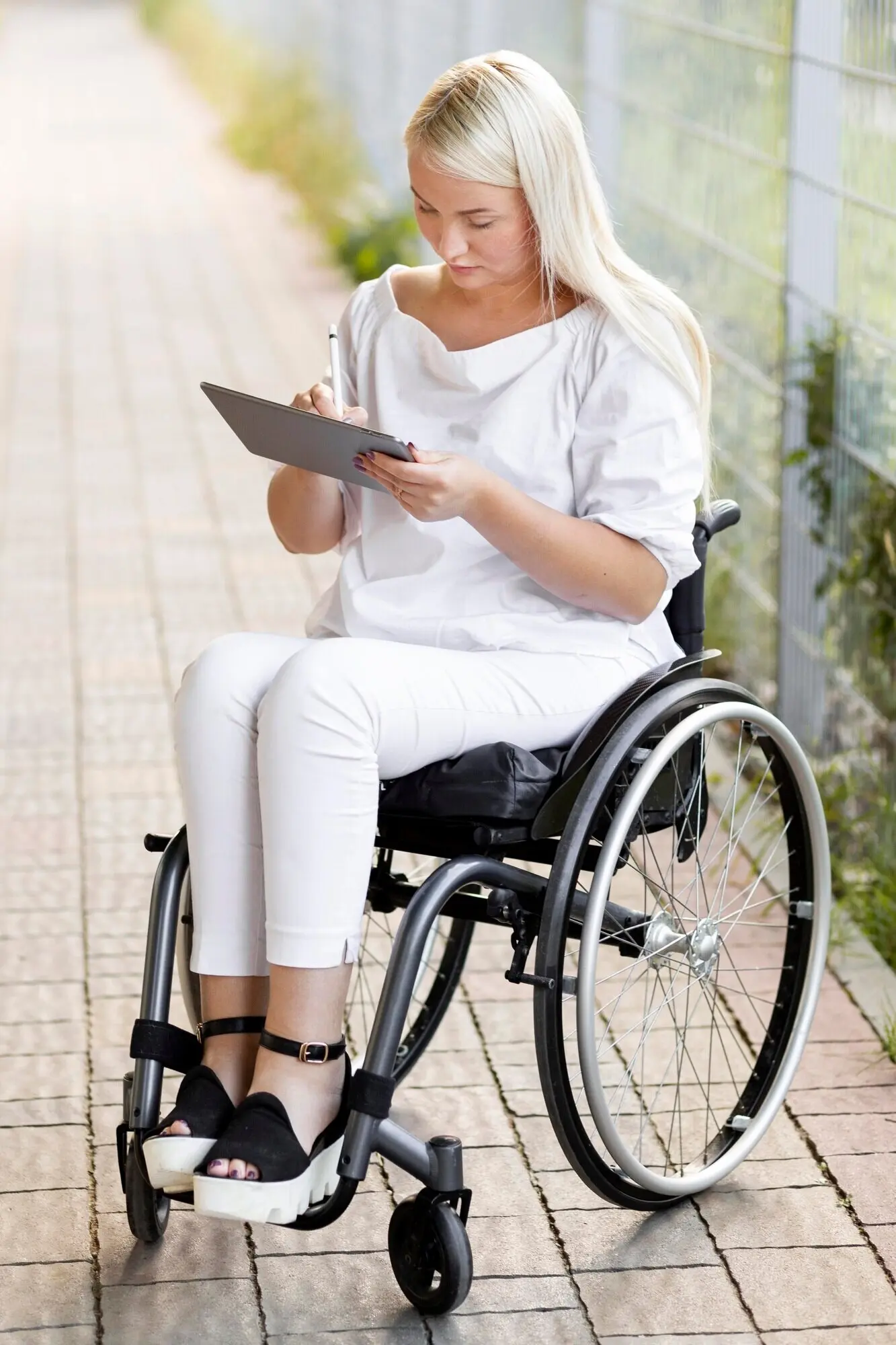
Magnetized closures help users with limited dexterity, wide strap adjusters suit layered clothing, and quick-release mounts avoid painful twisting. Instructions include large-type cards and tactile icons for low-light conditions. The hackathon environment invites candid feedback from seniors, teens, delivery workers, and parents hauling toddlers. By honoring varied strengths and needs, accessories transform into community assets, not niche gadgets, proving that inclusive design increases safety and enjoyment for everyone sharing sidewalks, bike lanes, and bus aisles.

Stories From the Workshop Floor

Memorable moments become blueprints. A courier suggests a shoulder strap that locks briefly when stepping off a curb, stabilizing a load. A high-schooler prints a universal light mount that holds after three potholes. A parent sketches a reflective rain cover that folds into its own pocket. These anecdotes carry practical wisdom, showing that everyday ingenuity, not flashy budgets, makes commuting calmer, safer, and more humane across different neighborhoods and schedules.

The Fold-Flat Helmet Experiment

A team pursued a collapsible structure inspired by origami and camping cups. Early versions squeaked and pinched; later iterations used living hinges, layered foams, and reflective ribs that doubled as reinforcement. Field testers folded it into messenger bags without crushing notebooks. While certification demands remained steep, the journey taught everyone how constraints, patience, and clear documentation convert an audacious sketch into a surprisingly practical object that respects safety while honoring space-limited city life.

A Smarter Brake Light That Learns

A low-power accelerometer and tiny microcontroller measured deceleration, boosting brightness automatically during sudden stops. Volunteers trained detection thresholds by riding different routes, collecting quick data bursts. Waterproofing evolved from tape to molded gaskets. The result felt thoughtful rather than gimmicky: a light that responded like a companion, communicating urgency within a critical second. Sharing code and bill-of-materials allowed neighboring groups to improve it further, proving how openness multiplies small wins into citywide safety gains.

The Neighborhood Tool Library

One hurdle was access to gear: sewing machines, 3D printers, and crimpers. A team organized a shared inventory, lending tools between events with sign-out QR codes and simple maintenance guides. Suddenly, prototypes continued beyond the weekend. Someone repaired a strap at midnight; someone else printed a mount before dawn. This culture of shared stewardship transformed prototype ownership into community ownership, extending impact long after the pizza boxes and sticky notes disappeared from the tables.

From Weekend Prototype to Daily Companion

After applause fades, teams focus on pilots. Volunteers commute with early versions for two weeks, logging snags, delights, and repair needs. Shops host feedback nights; drivers weigh in; bus operators offer practical insights. Open-source documentation lowers barriers so neighbors in other districts can replicate and improve. Whether projects head toward small-batch manufacturing or remain community-built, success is measured by faithful daily use, fewer stressful moments, and a feeling that the city has become kinder to navigate.

Host Your Own Neighborhood Build Weekend
You can spark change on your block with a few tables, donated fabric and fasteners, shared tools, and clear facilitation. Start small, set generous ground rules, and focus on attainable victories that improve tomorrow’s commute. Use story circles, quick surveys, and real-world tests. Celebrate every incremental gain. Invite skeptics and celebrate fixes over flash. When trust and curiosity lead, useful inventions appear, and people leave eager to ride, walk, roll, and build again together.
Zilonukelerafifemufapa
Privacy Overview

This website uses cookies so that we can provide you with the best user experience possible. Cookie information is stored in your browser and performs functions such as recognising you when you return to our website and helping our team to understand which sections of the website you find most interesting and useful.